Is Kenya Safe for Tourists? A Comprehensive Guide
Is Kenya Safe for Tourists: Kenya is generally considered a safe destination for tourists when proper precautions are taken, particularly in well-traveled areas like national parks, game reserves, and coastal resorts.
The country’s tourism infrastructure is well-developed, with reputable tour operators, experienced guides, and a strong emphasis on visitor safety in popular destinations like the Masai Mara, Amboseli, and Diani Beach.
The Kenya Tourism Federation operates a 24-hour Safety and Communication Centre to assist tourists, and the government has bolstered security in response to past incidents.
However, challenges such as terrorism, violent crime, civil unrest, and health risks necessitate vigilance.
The U.S. State Department, UK Foreign Office, and other governments issue travel advisories urging caution due to risks of terrorism, kidnapping, and crime, particularly in specific regions.
In 2025, Kenya’s overall safety situation is stable for tourists in most tourist-centric areas, but certain regions—especially near the Somalia border and specific Nairobi neighborhoods—carry higher risks. By understanding these risks and following expert advice, tourists can safely enjoy Kenya’s wonders.
Key Safety Concerns for Tourists
- Terrorism Risks
Kenya faces a heightened risk of terrorism, primarily due to its proximity to Somalia, where the extremist group Al-Shabaab operates. Past attacks, such as the 2013 Westgate Mall attack in Nairobi (67 deaths) and the 2011 kidnappings in Lamu, have targeted areas frequented by foreigners, including hotels, malls, and tourist sites.
In 2025, the U.S. State Department advises against all but essential travel to areas within 60km of the Kenya-Somalia border, including Garissa, Wajir, and Mandera counties, and parts of Tana River and Kilifi counties due to terrorism and kidnapping risks.
- Current Situation: Terrorist attacks can occur with little warning, targeting public places like hotels, restaurants, and malls. Al-Shabaab remains a threat, particularly in border regions, but Kenya’s military presence and enhanced security measures (e.g., airport-style checks at malls) have reduced risks in tourist hubs.
- Tourist Impact: Tourist areas like the Masai Mara, Amboseli, and coastal resorts (e.g., Diani, Malindi) are far from high-risk zones and have not been directly targeted in recent years. The U.S. Embassy notes that attacks are possible in Nairobi and other urban areas but are not specifically aimed at tourists.
Precautions:
- Stay vigilant in crowded public places, especially during holidays or anniversaries of past attacks (e.g., September 11, Westgate attack).
- Avoid border regions with Somalia, Ethiopia, and South Sudan unless with a reputable tour operator.
- Monitor local media and enroll in programs like the U.S. Smart Traveler Enrollment Program (STEP) for real-time alerts.
- Crime
Kenya has a relatively high crime rate, with a 2024 crime index of 56.8, ranking 34th globally. Violent crimes like armed robbery, carjacking, mugging, and kidnapping occur, particularly in urban areas like Nairobi and Mombasa. Petty theft, such as pickpocketing and bag snatching, is common in crowded markets and tourist spots.
- Urban Areas: Nairobi, once nicknamed “Nairobby” for its crime reputation, has seen improvements in safety, but areas like Eastleigh and Kibera are high-risk for crime and kidnapping. Avoid walking alone in these neighborhoods, especially at night.
- Tourist Areas: Game reserves and coastal resorts are generally safer, with low incidents involving tourists. However, petty theft can occur in busy areas like Mombasa’s Old Town or Diani Beach.
Precautions:
- Keep valuables hidden and use a concealable money belt. Avoid displaying expensive items like cameras or jewelry.
- Travel in groups or with a guide in urban areas, especially after dark. Use registered taxis (e.g., Uber) instead of walking.
- Park vehicles in secure locations and avoid leaving items visible in cars.
- If confronted by robbers, do not resist, as this can escalate to violence.
- Civil Unrest
Protests and demonstrations are common in Kenya, particularly in Nairobi, often linked to political or economic issues like the 2024 Finance Bill protests. These can disrupt traffic and occasionally turn violent, with injuries and deaths reported. In June 2025, the U.S. State Department issued a travel advisory citing violent protests in Nairobi’s Central Business District, where police used tear gas and live ammunition.
- Tourist Impact: Protests rarely target tourists, but they can cause road closures and delays. Tourists in Nairobi or other cities should avoid protest areas.
Precautions:
- Monitor local news for updates on protests or strikes.
- Avoid large gatherings and government buildings during periods of unrest.
- Have backup travel plans in case of disruptions.
- Health Risks
Health concerns in Kenya include infectious diseases and limited medical infrastructure, particularly in remote areas. The World Health Organization declared Mpox a global health emergency in August 2024, with cases reported in Kenya from the DRC outbreak. Malaria is a high risk in most areas except Nairobi, and other diseases like dengue, schistosomiasis, and Zika are present.
- Current Situation: Medical facilities in urban areas like Nairobi and Mombasa are adequate for minor issues, but trauma care and emergency services are limited outside cities.
Precautions:
- Get vaccinated for yellow fever (required for entry) and take malaria prophylaxis. Use insect repellent and wear long sleeves to prevent mosquito bites.
- Drink bottled or boiled water and avoid raw or undercooked foods to prevent foodborne illnesses.
- Purchase comprehensive travel insurance with medical evacuation coverage, as air ambulances may be needed for serious conditions.
- Carry extra medications and a first-aid kit, as pharmacies may lack supplies in remote areas.
- Transportation Safety
Road safety is a concern due to poorly maintained vehicles, reckless driving, and inadequate road conditions, especially during the rainy season (March–May, October–November). Public transport like matatus (minibuses) and buses often faces accidents due to speeding and poor maintenance.
- Current Situation: Matatu hijackings and robberies are reported, and the Likoni Ferry in Mombasa is unsafe due to overcrowding and poor maintenance. Driving at night is risky due to poor lighting and crime.
Precautions:
- Use reputable tour operators or private drivers for safaris and intercity travel. Avoid matatus, especially at night.
- Pre-book registered taxis or use Uber instead of hailing cabs on the street.
- If self-driving, use a 4×4 vehicle for national parks, lock doors, and avoid driving after dark.
- Check the safety record of tour operators and ensure compliance with Kenya Wildlife Service insurance requirements.
- Wildlife and Safari Safety
Kenya’s national parks and reserves, such as Masai Mara, Amboseli, and Tsavo, are generally safe for safaris when using professional guides. However, wildlife viewing carries risks, especially on foot or at close range.
- Current Situation: Incidents of violence against tourists in parks are rare but have occurred. Animal attacks are possible if safety protocols are ignored.
Precautions:
- Use only licensed guides and reputable tour operators.
- Follow park regulations and maintain a safe distance from wildlife. Never exit vehicles unless instructed by a guide.
- Avoid walking alone in remote areas of parks or reserves.
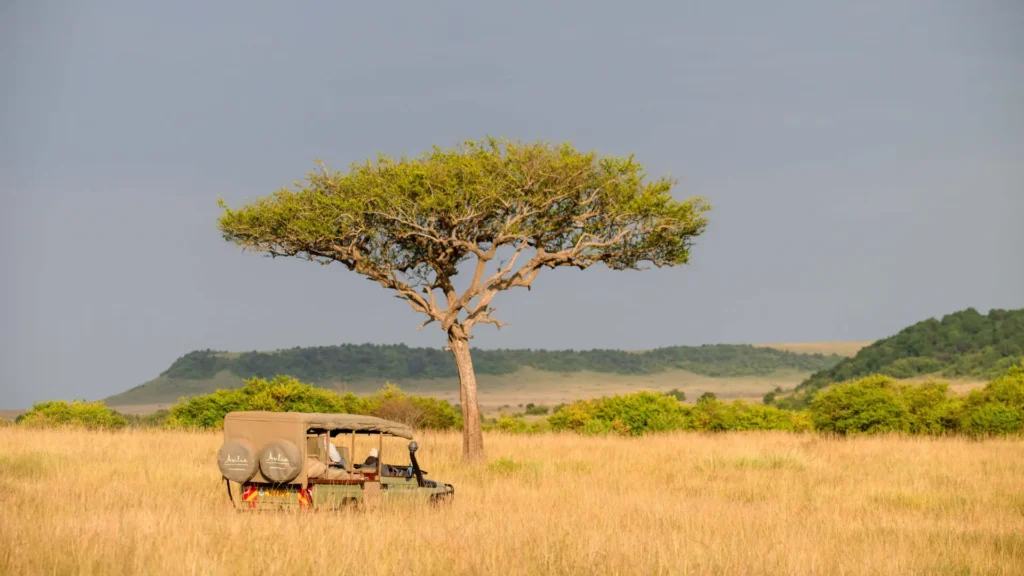
Safety in Popular Tourist Destinations
Masai Mara National Reserve
The Masai Mara, located in western Kenya near the Tanzanian border, is a premier safari destination renowned for the Great Wildebeest Migration. Far from high-risk border areas, it benefits from robust security, especially in private conservancies.
For a safe visit, stick to guided game drives, avoid walking alone at night, and choose lodges with strong security measures. Enroll in the U.S. Smart Traveler Enrollment Program (STEP) for real-time alerts to stay informed and ensure a worry-free experience in this iconic reserve.
Amboseli National Park
Nestled near Mount Kilimanjaro, Amboseli National Park is a safe and popular destination, celebrated for its large elephant herds and stunning views. Located far from conflict zones, it is well-patrolled, ensuring visitor safety.
To enjoy a secure visit, use reputable tour operators, follow guide instructions during game drives, and carry bottled water and malaria prophylaxis. These precautions help protect against health risks and ensure a memorable safari experience in one of Kenya’s most scenic parks.
Nairobi
Nairobi, Kenya’s vibrant capital, is a bustling hub but requires caution due to petty and violent crime. High-risk areas like Eastleigh and Kibera should be avoided, while tourist-friendly zones like Karen and Westlands are safer.
To stay secure, avoid walking alone at night, use registered taxis like Uber, and keep valuables hidden. Opt for guided tours to attractions like Nairobi National Park or Giraffe Manor to enjoy the city’s offerings while minimizing risks in this dynamic urban center.
Coastal Areas (Mombasa, Diani, Malindi)
Kenya’s coastal regions, including Mombasa, Diani, and Malindi, boast stunning beaches and resorts, making them popular tourist spots. While areas north of Malindi, like parts of Lamu County, carry terrorism risks, Diani and Mombasa are generally safe.
Dress conservatively in Muslim-majority areas like Mombasa’s Old Town, avoid walking alone on beaches at night, and use hotel safes for valuables. These steps ensure a safe and enjoyable coastal getaway in Kenya’s tropical paradise.
Lamu and Manda Islands
Lamu and Manda Islands offer a serene escape with pristine beaches, accessible safely via air travel to Lamu Airport. However, road travel in Lamu County is risky due to potential terrorism threats. For a secure visit, book beach hotels with strong security measures and avoid overland routes.
Traveling by air and staying in well-protected accommodations ensures a safe and relaxing experience, allowing you to enjoy the cultural and natural beauty of these idyllic islands.
Cultural and Legal Considerations
Kenya’s diverse culture requires sensitivity to local customs, especially in Muslim-majority coastal areas.
- Dress Code: Dress conservatively outside resorts, particularly in Mombasa, to avoid negative attention.
- Laws: Homosexuality is illegal, with potential imprisonment, and public displays of affection by same-sex couples should be avoided. Smoking in public (except designated areas) carries fines up to 50,000 KES or six months in prison. Photography of government buildings or airports is prohibited.
- Wildlife Laws: Possession of ivory or other banned wildlife items is illegal.
Precautions:
- Carry identification at all times, as police may request it.
- Respect local traditions, especially during religious holidays.
- Avoid discussing sensitive topics like politics or religion in public.
Practical Safety Tips for Tourists
- Travel Insurance: Purchase comprehensive insurance covering medical evacuation, trip cancellation, and adventure activities (e.g., safaris). Minimum coverage of $200,000 is recommended.
- Preparation: Research destinations, check government advisories, and register with your embassy (e.g., STEP for U.S. citizens, Irish Embassy for Irish citizens).
- Valuables: Use hotel safes, carry minimal cash, and keep copies of your passport and visa.
- Local Contacts: Save emergency numbers (e.g., 999 for police/hospital) and contact details for your embassy and tour operator.
- Group Travel: Join guided tours for safaris and urban exploration to enhance safety.
- Health Precautions: Get vaccinated, carry mosquito repellent, and avoid tap water.
- Stay Informed: Follow local news and embassy alerts for updates on protests or security incidents.
Is Kenya Safe for Specific Groups?
- Solo Travelers: Solo travel is generally safe with precautions like sticking to tourist areas, avoiding nighttime exploration, and using reputable guides.
- Female Travelers: Female tourists should dress modestly, avoid walking alone at night, and travel with trusted guides in rural areas.
- LGBTQ+ Travelers: Same-sex relationships are illegal and socially taboo, so discretion is essential to avoid harassment or arrest.
- Families: Kenya is family-friendly in tourist areas, with many lodges offering child-friendly activities. Ensure children follow safari safety rules.