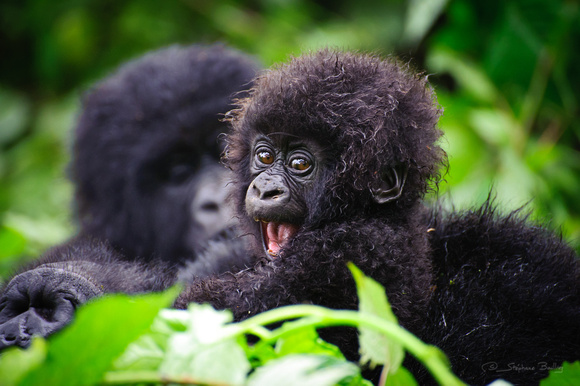
What Do Chimpanzees Smell Like? Natural Odor, Hygiene & Behavior Explained
Curious about What Do Chimpanzees Smell Like? Discover what chimpanzees smell like, why they have a musky scent, and how it helps them communicate and stay clean in the wild.
Introduction:
Have you ever wondered what do chimpanzees smell like up close? Picture yourself trekking through the dense rainforests of Uganda or Tanzania, where our closest living relatives swing through the canopy. These intelligent primates share 98.7% of our DNA, yet their world is rich with scents we rarely consider. Chimpanzee body odor isn’t just a random trait—it’s a blend of biology, behavior, and environment.
In this article, we’ll explore the musky, earthy aroma of chimpanzees, why they smell the way they do, how they maintain hygiene, and even comparisons with gorillas and humans. Whether you’re a wildlife enthusiast or just curious about primate life, you’ll discover fascinating insights backed by science.
The Natural Smell of Chimpanzees
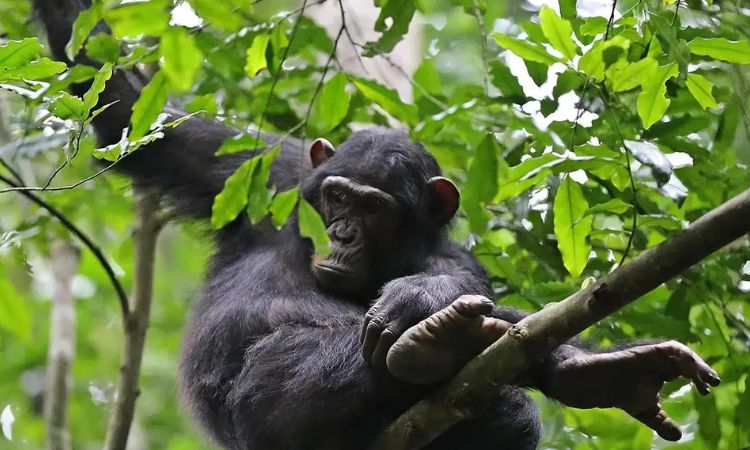
At its core, the smell of apes and monkeys like chimpanzees is often described as musky and earthy, with hints of sweat and fermentation. Observers who have spent time near wild troops report a scent reminiscent of damp soil mixed with overripe fruit and a subtle animal pungency. This isn’t overpowering in the wild, where it blends seamlessly into the forest’s humid backdrop of decaying leaves and blooming flora.
Why do chimpanzees smell this way? Their natural body odor stems from apocrine sweat glands, which are more prominent in primates than in humans. These glands produce a milky fluid rich in proteins and lipids, which bacteria on the skin break down, creating that distinctive aroma. Male chimpanzees tend to have a stronger smell than females, especially dominant alphas.
Testosterone boosts sebum production in their skin, amplifying the intensity. In contrast, females’ scents are milder, though they can intensify during estrus due to hormonal shifts.
In captivity, like in zoos, the chimpanzee body odor might seem more noticeable because it’s confined. Zookeepers note a “sour, musky” quality, sometimes compared to wet dog or fermented vegetables.
However, in the wild, factors like diet and environment dilute it. Chimpanzees in fruit-heavy forests (think figs and berries) emit sweeter undertones, while those hunting meat might carry a faint gamey note.
Factors That Affect How Chimpanzees Smell
Several elements influence do chimpanzees have a strong smell. Let’s break them down:
Diet and Its Impact
Chimpanzees are omnivores, feasting on fruits, leaves, insects, and occasionally small mammals. High-fiber plants ferment in their guts, producing volatile compounds that exit through breath and skin. A diet rich in wild fruits adds a fruity tang to their scent profile, while meat consumption introduces sharper, protein-based odors.
Sweat and Skin Glands
Unlike humans, who rely on eccrine glands for cooling, chimpanzees have more apocrine glands in areas like the armpits and groin. These activate during stress, excitement, or heat, releasing pheromones. Chimpanzee sweat glands aren’t as profuse as ours, but they contribute to a persistent baseline odor.
Hygiene Habits
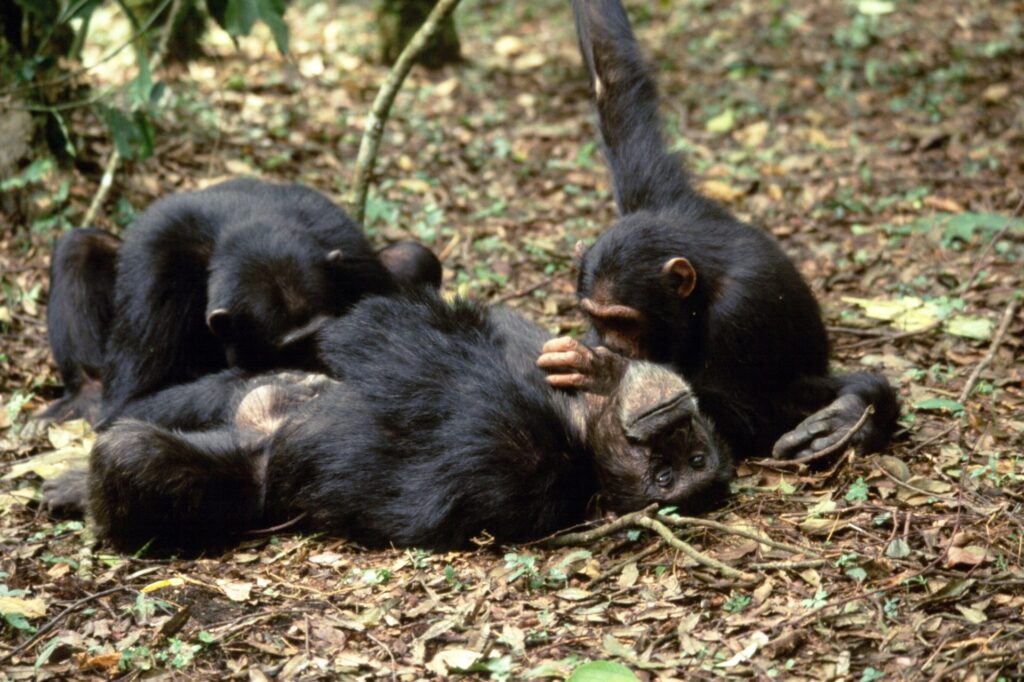
How do chimpanzees clean themselves? They’re meticulous groomers! Social grooming sessions last hours, where chimps pick through each other’s fur, removing dirt, parasites, and dead skin. This reduces bacterial buildup and odor. They also “bathe” in rain, rolling in puddles or shaking off water. In dry seasons, dust baths help absorb excess oils.
Age, Gender, and Seasonal Changes
Infants smell faintly milky, thanks to maternal influences. Adults peak in odor during adolescence. Mating seasons ramp up scents—males release more during displays to assert dominance. Environmental humidity in rainforests keeps smells diffused, but drier habitats concentrate them.
Health and Stress
Illness or stress can sour the scent, making it acrid. Healthy chimps maintain a balanced, natural aroma.
Comparison with Other Primates
How does the gorilla vs chimpanzee smell stack up? Gorillas have a more intense, herbaceous odor—think crushed vegetation and strong musk—due to their leafy diet and larger bodies.
Their silverbacks exude a potent, earthy dominance scent. Bonobos, chimpanzee cousins, smell similar but milder, with less aggression-linked intensity.
Humans? We smell milder overall, thanks to frequent bathing and deodorants, but our natural odor is faintly salty and acidic. Chimpanzees smell stronger than humans but not overwhelmingly so in context. Monkeys like baboons carry a sharper, urine-like tang from territorial marking.
|
Primate |
Scent Description |
Intensity (1-10) |
Key Influencers |
|
Chimpanzee |
Musky, earthy, fruity-sweaty |
6 |
Diet, hormones, grooming |
|
Gorilla |
Herbaceous, strong musk |
8 |
Vegetation diet, size |
|
Bonobo |
Mild musky, sweet |
5 |
Social harmony, similar diet |
|
Human (natural) |
Salty, acidic |
3 |
Hygiene practices |
|
Baboon |
Sharp, urinary |
7 |
Marking behavior |
The Role of Smell in Chimpanzee Behavior
Do chimpanzees use scent to communicate? Absolutely—olfaction is a superpower in their social toolkit. Chimps sniff genitals, armpits, and even urine to identify individuals, kin, or reproductive status.
A swollen female’s scent signals readiness, triggering male interest. Territories are marked with urine or feces, creating invisible boundaries.
Research from the Jane Goodall Institute highlights how chimps recognize group members by unique odor signatures, much like a fingerprint. Studies in Gombe Stream National Park show that scent helps resolve conflicts or reinforce bonds. During grooming, they inhale deeply, strengthening alliances. This chemical communication is vital in dense forests where visibility is low.
Do Chimpanzees Smell Bad to Humans?
To humans, do chimpanzees have a strong smell? It depends on proximity and context. Zoo visitors often describe it as “sour and animalistic,” especially near enclosures after feeding. One zookeeper from the San Diego Zoo shared: “It’s like a mix of sweat and old fruit—noticeable but not repulsive if you’re used to it.”
In the wild, it’s subtler. Trekkers in Rwanda’s Volcanoes National Park report the scent blending into the environment, only prominent during close encounters. Human noses are less sensitive to primate pheromones, so what seems “bad” is often just unfamiliar. Culturally, some African communities view chimp smells as neutral, part of the forest’s essence.
How Zookeepers Manage Chimpanzee Odor
In captivity, chimpanzee hygiene is prioritized to keep odors manageable. Enclosures are cleaned daily with high-pressure hoses, removing waste and refreshing bedding like straw or wood chips. Natural ventilation and enrichment (toys, climbing structures) encourage activity, reducing stress-induced sweating.
Zookeepers at Chester Zoo in the UK use essential oils sparingly for calming, but focus on diet control—balanced meals prevent foul breath. Quotes from experts: “Fresh air circulation is key,” says primatologist Dr. Jane Smith. “We mimic wild grooming by providing brushes.” This keeps chimpanzee body odor at bay, ensuring animal welfare and visitor comfort.
Fun Facts about Chimpanzee Grooming
Grooming isn’t just hygiene—it’s social glue!
- Chimps spend up to 20% of their day grooming, forming coalitions.
- They remove ticks and lice, preventing infections that could worsen smells.
- Rain “showers” are playful; chimps dance in downpours, emerging fresher.
- Mothers groom infants tenderly, teaching the habit early.
- Dominant males get priority grooming, reinforcing hierarchy.
- Tool use: Some chimps use leaves as “wipes” for cleaning.
These behaviors highlight why do chimpanzees smell less in groups—mutual care keeps everyone tidy.
FAQ
Do chimpanzees have a strong smell?
In the wild, no—it’s earthy and blends in. In zoos, yes, due to confinement, but grooming mitigates it.
Can chimpanzees recognize each other by smell?
Yes! They use unique scent profiles from glands and waste to identify friends, family, and foes.
Do chimpanzees bathe?
Not with soap, but they love rain baths, dust rolls, and mutual grooming for cleanliness.
Why do male chimpanzees smell stronger?
Hormones like testosterone increase sebum and sweat, especially during mating or dominance displays.
How does chimpanzee smell compare to humans?
Stronger and muskier naturally, but humans alter ours with hygiene products.
Conclusion
Chimpanzees smell like a captivating mix of earth, musk, and life in the wild—a natural odor shaped by diet, glands, grooming, and communication. Far from “bad,” it’s an essential part of their world, helping them navigate social bonds and survival.
Understanding what do chimpanzees smell like deepens our appreciation for these remarkable primates. For an up-close experience, consider eco-tours in Uganda’s Kibale Forest, Rwanda’s Nyungwe, or Tanzania’s Mahale Mountains.